What is Blockchain?
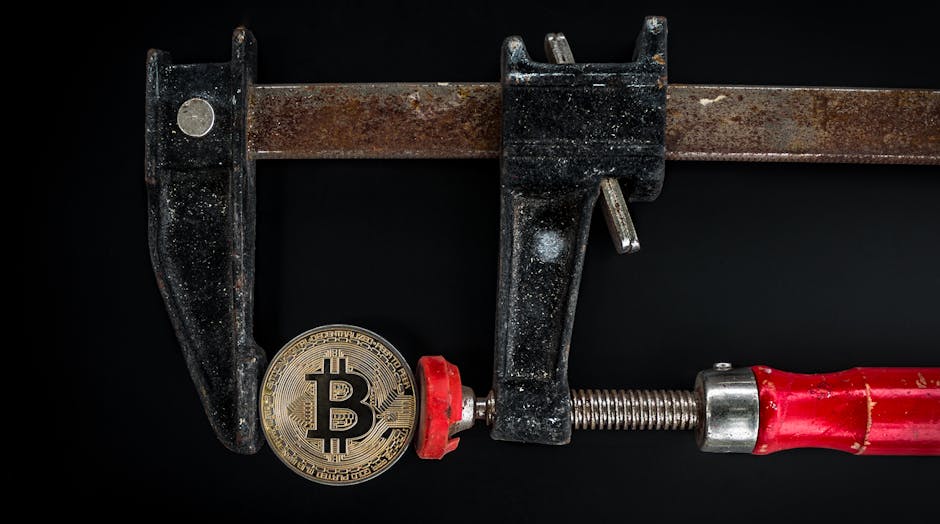
Blockchain: Revolutionizing the Future of Technology
In recent years, blockchain technology has been gaining popularity and is poised to revolutionize various industries. Originally created to support cryptocurrencies like Bitcoin, blockchain has evolved into a powerful tool with a wide range of applications beyond just digital currencies.
What is Blockchain?
At its core, blockchain is a decentralized and distributed ledger that records transactions across multiple computers or nodes. Each transaction is encrypted and linked to the previous transaction, creating a chain of blocks that are secure and immutable. This means that once a transaction is recorded, it cannot be altered or deleted, providing transparency and trust in a transaction.
The Benefits of Blockchain Technology
One of the key benefits of blockchain technology is its security. Because each block is linked to the previous one and encrypted, it is nearly impossible for hackers to tamper with the data. This makes blockchain ideal for storing sensitive information, such as personal identities, financial records, and medical histories.
Another benefit of blockchain is its transparency. Since all transactions are recorded on a public ledger, anyone can view the transaction history, ensuring trust and accountability in a network. This can be particularly useful in industries like supply chain management, where tracking the origin and journey of products is essential.
Applications of Blockchain Technology
Blockchain technology has the potential to transform various industries, including finance, healthcare, supply chain management, and real estate. In the financial sector, blockchain can streamline processes like cross-border payments, trade settlements, and smart contracts, reducing costs and increasing efficiency.
In healthcare, blockchain can improve data security and interoperability by securely storing and sharing patient records. This can help healthcare providers deliver better and more personalized care to patients while ensuring their privacy is protected.
In supply chain management, blockchain can track the movement of goods from manufacturer to distributor to retailer, providing transparency and authenticity throughout the supply chain. This can reduce fraud, counterfeit products, and waste, leading to a more sustainable and efficient supply chain.
The Future of Blockchain Technology
As blockchain technology continues to evolve, its potential is limitless. With the ability to transform industries and revolutionize processes, blockchain has the power to create a more secure, transparent, and efficient future for businesses and consumers alike. Whether it's streamlining financial transactions, protecting sensitive data, or improving supply chain logistics, blockchain is set to revolutionize the way we interact with technology.
As we embrace the power of blockchain technology, we can look forward to a more secure and connected world, where trust and transparency are at the forefront of innovation. The possibilities are endless, and the future of technology has never looked brighter.